
Introduction
Fashion can feel overwhelming for beginners, but understanding basic principles and trends makes it easier to create a stylish, functional wardrobe. A well-structured guide helps simplify choices, ensuring you feel confident while experimenting with your personal style.
Importance of Understanding Fashion as a Beginner
- Helps you make informed choices about outfits, colors, and styles
- Reduces confusion and prevents unnecessary purchases
- Builds confidence in mixing and matching pieces
How a Guide Can Simplify Wardrobe Choices
- Provides practical tips on core wardrobe essentials
- Suggests easy outfit combinations suitable for various occasions
- Introduces styling strategies to create cohesive looks
Overview of Key Tips and Steps
This guide covers basics for building a versatile wardrobe, color coordination, layering, accessorizing, and experimenting with trends to help beginners confidently develop their personal style.
Understanding Your Body Type
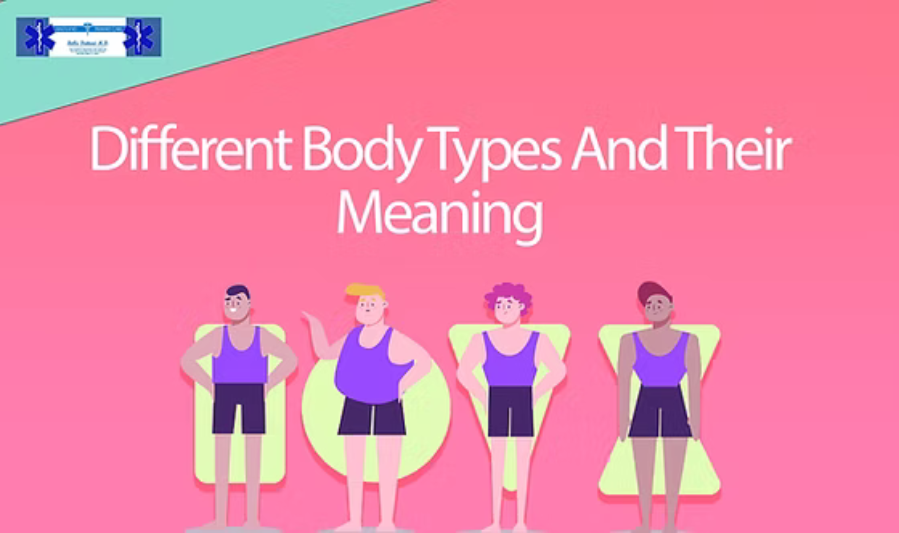
Knowing your body type is essential for selecting clothes that fit well, flatter your shape, and highlight your best features.
2.1 Identify Your Body Shape
- Common body shapes include hourglass, pear, apple, rectangle, and inverted triangle
- Take note of shoulder width, waist definition, and hip shape to determine your type
2.2 Choosing Flattering Clothing
- Select cuts, patterns, and styles that balance proportions
- Example: A-line skirts for pear shapes, tailored jackets for rectangles, wrap dresses for hourglass figures
- Avoid styles that exaggerate areas you prefer to minimize
2.3 Highlighting Your Best Features
- Focus on drawing attention to your favorite features, such as shoulders, waist, or legs
- Use necklines, belts, patterns, and colors strategically
- Helps build confidence while keeping outfits stylish and comfortable
Building a Capsule Wardrobe
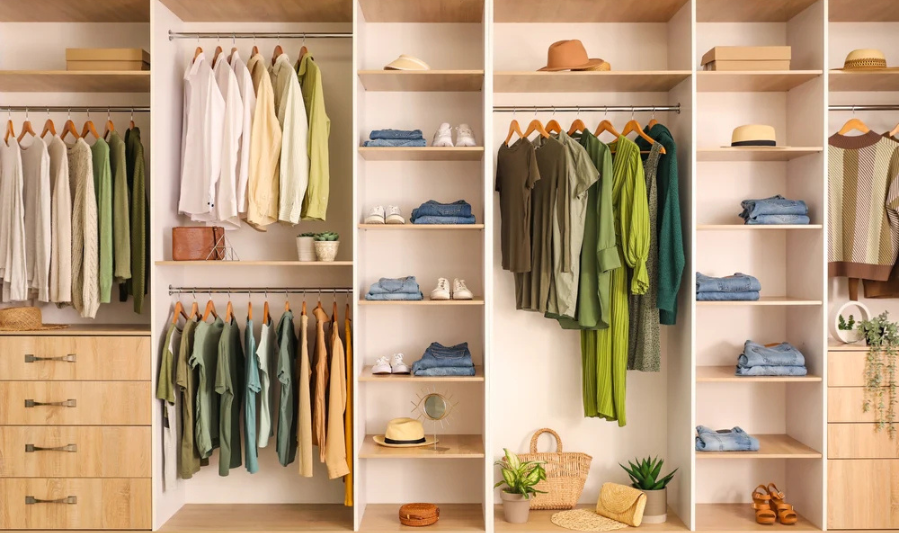
A capsule wardrobe focuses on versatile, timeless pieces that can be mixed and matched easily, making daily styling simple and efficient.
3.1 Essential Basics
- Include staple items such as jeans, neutral tops, blazers, a classic dress, and versatile footwear
- These foundational pieces form the base for multiple outfits
- Quality over quantity ensures longevity and consistent style
3.2 Choosing a Color Palette
- Stick to neutral tones (white, black, beige, navy, gray) for the main items
- Add 1–2 accent colors to complement your wardrobe
- A cohesive palette makes mixing and matching effortless
3.3 Gradually Adding Statement Pieces
- Introduce trendy or bold items like patterned tops, colorful jackets, or statement shoes
- Use them sparingly to keep outfits balanced and versatile
- Allows you to stay fashionable while maintaining a functional wardrobe
Fabrics and Fit
Choosing the right fabrics and ensuring proper fit are key to looking polished and feeling comfortable in your clothes.
4.1 Natural Fabrics vs Synthetic Fabrics
- Natural fabrics (cotton, linen, wool, silk) are breathable, comfortable, and gentle on the skin
- Synthetic fabrics (polyester, nylon, acrylic) can be durable and wrinkle-resistant but may trap heat
- Select fabrics based on season, comfort, and activity
4.2 Importance of Proper Fit
- Well-fitting clothes enhance body shape and boost confidence
- Avoid overly tight or too loose garments that can distort proportions
- Consider tailoring basics like trousers, blazers, or dresses for a perfect fit
4.3 Comfort Considerations
- Prioritize mobility and ease of wear alongside style
- Stretch fabrics, adjustable waistbands, and breathable materials improve comfort
- Comfortable clothing encourages frequent wear and builds a practical wardrobe
Accessorizing for Beginners
Accessories are an easy way to upgrade your outfit without changing your entire wardrobe. For beginners, keeping things simple works best.
5.1 Simple Accessories (Watches, Earrings, Scarves)
- A classic watch instantly makes any outfit look polished
- Stud earrings or small hoops are perfect for everyday wear
- Lightweight scarves add color, texture, and style without effort
- Choose neutral or minimal designs to match multiple outfits
5.2 Using Belts and Bags to Enhance Outfits
- Belts help define the waist and improve outfit structure
- Use a belt to style dresses, blazers, or high-waist jeans
- Simple handbags, totes, or crossbody bags keep outfits balanced
- Match bag colors with shoes or belts for a coordinated look
5.3 Avoiding Over-Accessorizing
- Stick to one or two statement pieces at a time
- Avoid wearing heavy jewelry all at once
- Let accessories complement the outfit, not overpower it
- When in doubt, less is more
Experimenting With Colors and Patterns
Playing with colors and patterns helps express your personality through fashion. Beginners should start slow and build confidence step by step.
6.1 Starting with Neutral Colors
- Neutral colors like black, white, beige, gray, and navy are easy to style
- They create a clean and balanced look
- Neutrals work well as a base for any outfit
- Perfect for daily wear and beginner wardrobes
6.2 Adding Pops of Color
- Add color through tops, scarves, shoes, or bags
- Start with one bright item and keep the rest neutral
- Popular beginner-friendly colors include pastels, soft blues, and earthy tones
- Small color touches instantly make outfits look fresh
You ma also like to read these posts:
Easy Core Java Tutorials for Beginners to Start Coding
System Architecture Design Tips for Building Better Systems
Trend Forecast: Fashion Trends 2026 You Need to Know
Top Latest Fashion Style Trends to Update Your Wardrobe
6.3 Mixing Patterns Carefully
- Begin with one patterned piece per outfit
- Pair patterns with solid colors to avoid a busy look
- If mixing patterns, keep them in similar color tones
- Simple patterns like stripes or small florals are easier to style
Faqs:
What is the best way for beginners to start with fashion?
Beginners should start by understanding their body type, building a basic wardrobe with neutral pieces, and focusing on comfort and fit.
How many outfits should a beginner have in their wardrobe?
A beginner can start with 15–20 versatile pieces that can be mixed and matched to create multiple outfits.
How can beginners learn to match colors and patterns?
Start with neutral colors, add one pop of color, and experiment with simple patterns like stripes or small prints.
Are accessories important for beginner fashion styling?
Yes, simple accessories like watches, scarves, belts, and bags can instantly enhance basic outfits without overwhelming the look.
How can beginners build confidence in their fashion choices?
Wear clothes that feel comfortable, start experimenting gradually, and remember that confidence is the key to great style.
Conclusion
Fashion Guides for Beginners are all about starting simple and building confidence step by step. By understanding your body type, creating a capsule wardrobe, experimenting with colors and accessories, and choosing comfortable fits, you can develop a personal style that feels effortless and authentic. Fashion is a journey—enjoy exploring and expressing yourself through what you wear.