
Introduction
Personal style is the unique way you express yourself through clothing, accessories, and overall appearance. It reflects your personality, lifestyle, and preferences, making your fashion choices distinct and authentic.
Definition of Personal Style
Personal style is your individual approach to fashion, combining your favorite colors, patterns, cuts, and accessories to create a signature look that represents who you are.
Importance of Having a Personal Style Guide
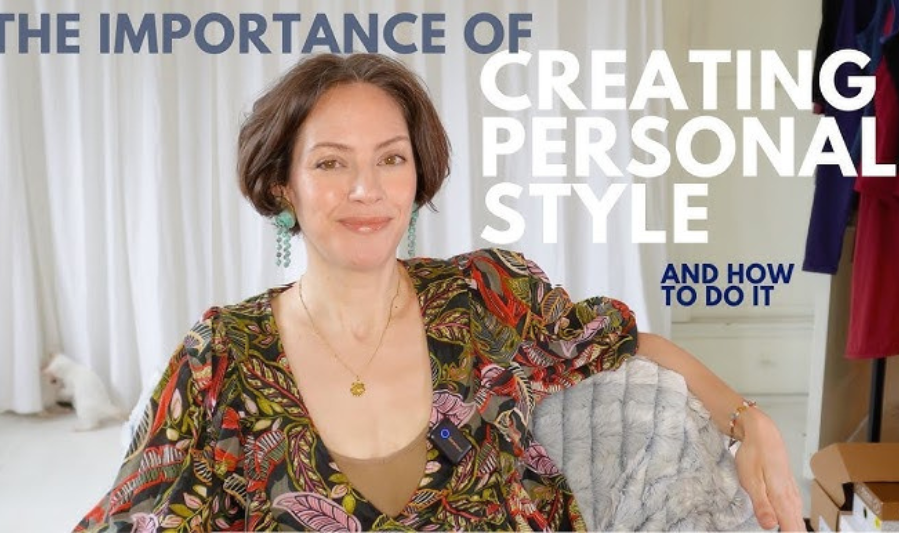
A personal style guide helps you define and maintain your signature look, making shopping, outfit planning, and styling decisions easier and more consistent.
How Personal Style Boosts Confidence and Simplifies Outfit Choices
Knowing your personal style boosts confidence because you always look and feel like yourself. It also simplifies outfit choices, reducing stress and saving time when putting together looks for daily wear or special occasions.
Understanding Personal Style
What Personal Style Really Means
Personal style is the way you naturally express yourself through clothing, accessories, and overall appearance. It’s about choosing pieces that make you feel comfortable, confident, and authentic rather than simply following every trend.
Difference Between Trends and Personal Style
Trends are temporary fashion movements that change frequently, while personal style is consistent and unique to you. Personal style can incorporate trends, but it remains rooted in your preferences, body type, and lifestyle.
How Personal Style Reflects Personality and Lifestyle
Your personal style acts as a mirror of who you are. Bold colors may reflect a lively personality, minimalist outfits may show a preference for simplicity, and functional pieces can indicate a busy or active lifestyle. Choosing clothes that align with your personality and lifestyle ensures your wardrobe feels authentic and practical.
Identifying Your Lifestyle Needs
Workwear: Professional and Comfortable Outfits
Workwear should strike a balance between professionalism and comfort. Tailored trousers, blazers, shirts, and structured dresses are ideal, while breathable fabrics ensure all-day comfort in the office or remote work settings.
Casual Wear: Everyday and Relaxed Clothing
Casual wear focuses on comfort and ease for daily activities. Jeans, T-shirts, casual tops, sweatshirts, and relaxed-fit dresses make everyday styling simple while keeping you stylish.
Event and Social Wear: Statement and Elegant Pieces
Event wear includes clothing for parties, dinners, weddings, or other social occasions. Statement dresses, tailored suits, elegant jumpsuits, or stylish separates help you stand out while matching the event’s formality.
Matching Wardrobe to Daily Activities
Aligning your wardrobe with your daily routine ensures you always have appropriate outfits ready. Categorizing clothing by work, casual, and social needs saves time, prevents overbuying, and makes outfit planning effortless.
Finding Inspiration for Your Style
Fashion Blogs, Magazines, and Lookbooks
Fashion blogs, magazines, and lookbooks are excellent sources of curated outfit ideas, seasonal trends, and styling tips. They offer professional photography and expert advice to spark creativity in building your wardrobe.
Social Media Platforms (Instagram, Pinterest)
Platforms like Instagram and Pinterest provide endless visual inspiration. You can explore hashtags, follow style accounts, and create boards to collect looks that resonate with your taste and lifestyle.
Influencers and Celebrities
Influencers and celebrities can serve as style guides, showcasing how to mix trends with personal flair. Observing how they style outfits can help you discover new combinations and elevate your own wardrobe choices.
Adapting Inspiration to Your Body Type, Comfort, and Preferences
It’s important to personalize inspiration. Choose outfits that flatter your body type, match your comfort level, and reflect your unique personality. Inspiration should guide your style, not dictate it, ensuring every look feels authentic and wearable.
Choosing Styles That Reflect Your Personality
Minimal & Classic Styles
Minimal and classic styles focus on timeless pieces, neutral colors, and clean lines. This style reflects a preference for simplicity, elegance, and effortless sophistication.
Bold & Trendy Outfits
Bold and trendy outfits use vibrant colors, statement patterns, and eye-catching accessories. This style is perfect for those who enjoy experimenting with fashion and expressing a lively, adventurous personality.
Comfort-First Fashion
Comfort-first fashion prioritizes ease and practicality without sacrificing style. Loose-fit clothing, soft fabrics, and versatile pieces are key, reflecting a lifestyle that values functionality and well-being.
Mixing Different Style Elements for a Unique Look
Combining elements from multiple styles helps create a signature look that is uniquely yours. For example, pairing classic basics with trendy accessories or mixing comfort-focused pieces with bold colors results in a personalized and versatile wardrobe.
Building a Versatile Wardrobe
Wardrobe Basics Every Beginner Should Own
A versatile wardrobe starts with essentials like plain T-shirts, well-fitted jeans, classic blazers, neutral tops, and simple dresses. These pieces form the foundation for multiple outfit combinations.
Statement Pieces to Refresh Simple Outfits
Statement pieces such as patterned jackets, bold accessories, colorful shoes, or unique handbags add personality to basic outfits. They instantly elevate simple looks and make your wardrobe more dynamic.
Layering Techniques for Versatility
Layering allows you to mix and match different pieces for varied looks. Combining shirts under sweaters, jackets over dresses, or scarves with tops adds depth, style, and adaptability to your wardrobe.
You may also like to read these posts:
Easy Core Java Tutorials for Beginners to Start Coding
System Architecture Design Tips for Building Better Systems
Trend Forecast: Fashion Trends 2026 You Need to Know
Top Latest Fashion Style Trends to Update Your Wardrobe
Creating Outfits That Work Across Seasons and Occasions
Choosing versatile fabrics, neutral colors, and adaptable pieces ensures your outfits transition smoothly across seasons and events. A structured coat, for example, works in winter with layers and in spring as a lightweight outerwear option.
Tips for Maintaining and Evolving Your Style
Understanding Your Body Shape and Choosing Flattering Fits
Knowing your body shape helps you select clothing that highlights your best features. Choosing the right fits ensures comfort, confidence, and a polished appearance in every outfit.
Investing in Quality Fabrics and Durable Pieces
High-quality fabrics and well-made pieces last longer, look better, and maintain their shape over time. Investing in durability ensures your wardrobe remains stylish and functional for years.
Decluttering and Reorganizing Your Wardrobe Regularly
Regularly reviewing and organizing your wardrobe helps you identify what you wear most, remove items you no longer need, and create space for new pieces that reflect your evolving style.
Experimenting with Trends Without Losing Authenticity
Incorporating trends can refresh your look, but it’s important to stay true to your personal style. Choose trends that complement your existing wardrobe and personality rather than following them blindly.
Faqs:
What is a personal style guide?
A personal style guide is a framework that helps you identify your fashion preferences, select wardrobe essentials, and create outfits that reflect your personality and lifestyle.
Why is personal style important?
Personal style boosts confidence, saves time when choosing outfits, and ensures your wardrobe reflects who you are rather than just following trends.
How can I discover my personal style?
You can discover your personal style by assessing your lifestyle needs, exploring fashion inspiration from social media and magazines, and experimenting with different fits, colors, and patterns that make you feel confident.
What are the essential pieces for a versatile wardrobe?
Essential pieces include neutral tops, well-fitted jeans or trousers, simple dresses, jackets or blazers, and a few statement accessories. These basics can be mixed and matched for multiple looks.
Can personal style change over time?
Yes, personal style is dynamic. Your guide can evolve as trends change, your lifestyle shifts, or you experiment with new fashion choices, always reflecting your authentic self.
Conclusion
A Personal Style Guide Explained helps you understand your unique fashion preferences, build a versatile wardrobe, and make confident style choices. By following a clear guide tailored to your body type, lifestyle, and personality, you can effortlessly express yourself through clothing while evolvin